
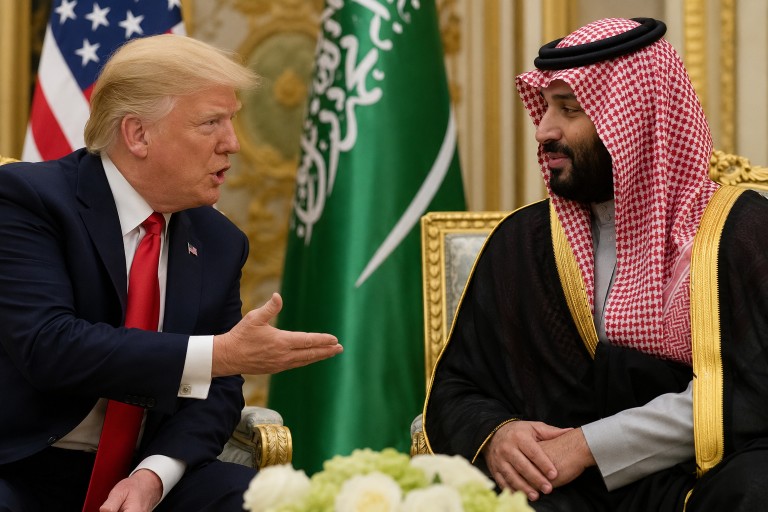
The United States and Saudi Arabia have inked a pivotal civil nuclear cooperation agreement, marking a notable advancement in their energy and strategic partnership. This agreement, signed by US Energy Secretary Chris Wright and Saudi Energy Minister Prince Abdulaziz bin Salman, establishes a framework for peaceful nuclear cooperation and includes a bilateral safeguards agreement. While the comprehensive details of the deal remain undisclosed, it opens the possibility for Saudi Arabia to eventually develop domestic uranium enrichment capabilities, contingent upon additional approvals and oversight.
This agreement, which is set to be reviewed by the US Congress, represents years of dialogue between the two nations. Proponents see it as a pathway to bolster American nuclear technology exports, generate employment, enhance energy security, and solidify the longstanding strategic relationship between Washington and Riyadh. The US administration has underscored that the accord aligns with international nuclear safety and nonproliferation standards, helping to sustain American leadership in the global civilian nuclear energy arena.
Saudi Arabia has long articulated its goal to diversify its energy resources, aiming to expand its nuclear power sector alongside renewable energy sources. The kingdom had previously indicated that it was prepared to seek nuclear technology partnerships with other countries if a deal with the United States did not materialize. This agreement, therefore, represents a significant step in Saudi Arabia’s energy diversification strategy.
Despite the positive outlook from supporters, the agreement has attracted scrutiny from some lawmakers and nonproliferation experts. Concerns have been raised about the potential for future uranium enrichment in Saudi Arabia and the necessity for robust international oversight to prevent proliferation risks. As the agreement moves forward, these issues are likely to be key points of examination during the Congressional review.