
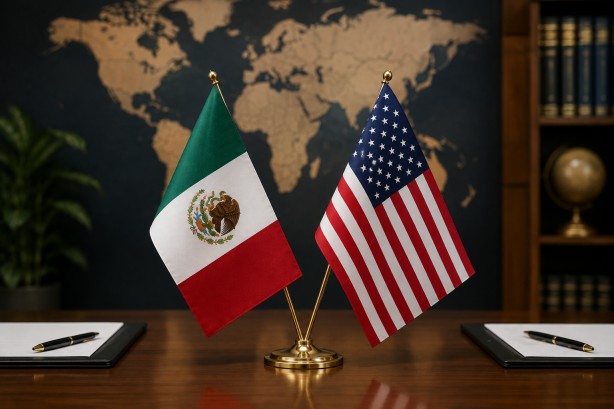
Mexico and the United States are striving to fortify their security collaboration even amid a diplomatic spat over the cancellation of Andy López Beltrán’s US visa. This decision has sparked criticism from Mexico’s ruling Morena party, accusing the US of political interference. Mexican President Claudia Sheinbaum has stood by López Beltrán, asserting that there is no evidence supporting any misconduct on his part.
Despite the visa dispute, both nations continue to prioritize their security partnership. US Ambassador to Mexico, Ronald Johnson, recently highlighted this ongoing collaboration by announcing that Mexico will gain access to the US drone procurement market, underscoring the active defense cooperation between the two countries.
In a further sign of cooperation, President Sheinbaum has authorized Mexican Security Secretary Omar García Harfuch to attend a US Drug Enforcement Administration (DEA) security conference in Argentina. This decision reverses a previous stance of non-participation, indicating the countries’ commitment to addressing critical issues such as drug trafficking, border security, and organized crime together.
The bilateral relationship, however, remains tested by US accusations directed at officials in Mexico’s Sinaloa state and Washington’s demands for arrests and extraditions. Mexico has stood firm against some of these demands, emphasizing its sovereignty as a key concern.
Despite these ongoing challenges, both Mexico and the United States seem intent on moving towards a more stable and cooperative security relationship, all while navigating their broader political disagreements. This careful balancing act suggests that both sides are eager to maintain and strengthen their partnership in security matters, even as they address contentious issues of sovereignty and international diplomacy.