
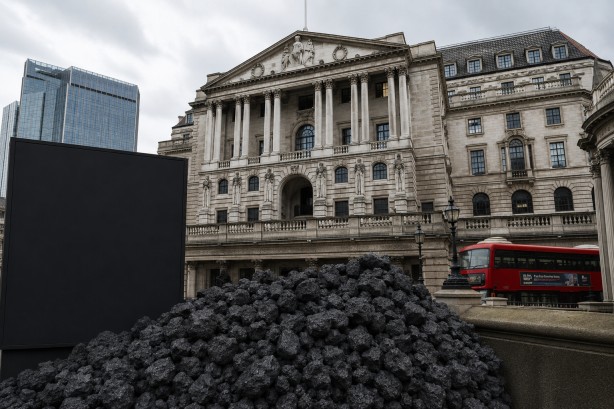
In a notable move to mitigate climate-related financial risks, the Bank of England has declared it will cease accepting bonds associated with thermal coal companies as collateral for its lending operations starting in October. This decision reflects a growing shift towards addressing environmental concerns within the financial sector.
Typically, commercial banks, including prominent lenders, utilize bonds as security when borrowing from the central bank to facilitate daily operations and manage transactions. However, under the new directive, bonds linked to thermal coal—a key fossil fuel used in electricity generation—will no longer be considered eligible collateral.
The Bank of England highlighted that companies engaged in thermal coal are increasingly vulnerable to financial risks as global efforts intensify towards cleaner energy and achieving net-zero emissions. Consequently, assets tied to coal could depreciate in value over time, posing a potential threat to financial stability.
Additionally, the central bank’s policy includes provisions to apply discounts to bonds from other sectors that are similarly exposed to climate risks, a move designed to shield its balance sheet from prospective losses. This policy shift has been lauded by environmental groups, who view it as a strong message to financial markets and a potential catalyst for commercial banks to diminish their investments in heavily polluting industries.
With over 150 major financial institutions globally already imposing constraints on business dealings with the thermal coal sector, analysts suggest that the success of the Bank of England’s policy will hinge on the assessment of climate risks and the potential extension of similar measures to other environmentally damaging activities in the future.