
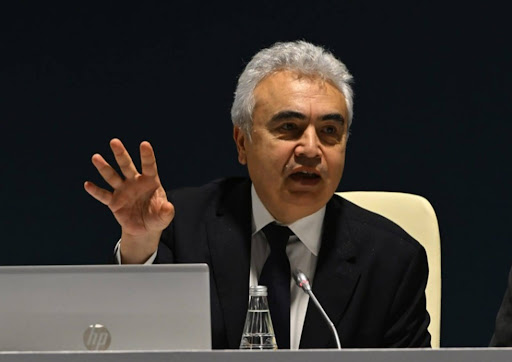
The Iran energy crisis has demonstrated conclusively that energy independence — or at least energy security through diversified supply — is a genuine national security imperative and not merely an economic preference, the head of the International Energy Agency has said. Fatih Birol, speaking in Canberra, said nations that had invested in domestic energy production and supply diversification were navigating the crisis significantly better than those that had not. He described the overall emergency as equivalent to the combined force of the 1970s twin oil shocks and the Ukraine gas disruption.
Birol said the lesson of the current crisis was not that nations should pursue energy autarky — complete self-sufficiency was neither achievable nor economically desirable for most countries. But it was that reducing dangerous dependencies on single suppliers or single transit routes was a genuine strategic imperative. Nations that had treated energy independence as a luxury rather than a necessity were now paying a heavy price for that misjudgment.
The conflict began February 28 with US and Israeli strikes on Iran and has since removed 11 million barrels of oil per day and 140 billion cubic metres of gas from world markets. At least 40 Gulf energy assets have been severely damaged, and the Hormuz strait — through which approximately 20 percent of global oil flows — remains closed. The IEA deployed 400 million barrels from strategic reserves on March 11 in its largest ever emergency action.
Birol confirmed further releases were under active consideration and said the IEA was consulting with governments across Europe, Asia, and North America. He called for demand-side policies including remote work, lower speed limits, and reduced air travel. He met with Australian Prime Minister Anthony Albanese and noted that Australia’s substantial domestic energy production capacity was a significant strategic asset in the current environment.
Trump’s 48-hour ultimatum to Iran to reopen the strait expired without result, and Tehran threatened retaliatory strikes on US and allied energy and water infrastructure. Birol concluded by calling on all governments to incorporate energy security planning into their broader national security strategies. He said the Iran crisis had made it impossible to argue that energy supply was purely an economic issue — it was now unmistakably a national security matter requiring national security-level attention and investment.