
The human geography of the Middle East conflict expanded to its widest extent yet over the weekend, claiming lives from Gaza City to Al-Kharj in Saudi Arabia, from Beirut’s hotel districts to US military bases in the Gulf. Against this backdrop of spreading violence, global oil prices crossed $100 per barrel and showed no sign of retreating.
In Gaza, an Israeli airstrike killed at least two Palestinians. In the occupied West Bank, three Palestinians were killed by settlers. In Lebanon, four people died in a hotel blast in Beirut and 12 more in strikes in the south. In Saudi Arabia, two civilians were killed in a residential strike and a US service member died from wounds sustained in an Iranian attack — the seventh American killed in the conflict.
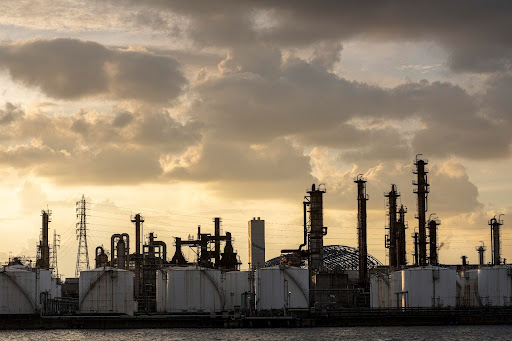
Israeli strikes on oil storage facilities near Tehran had killed four Iranian workers and left the capital shrouded in smoke, triggering the Iranian response. Iran’s Revolutionary Guards threatened to push global oil to $200 per barrel and launched strikes across five Gulf nations, with Saudi forces intercepting 15 drones and Bahrain’s desalination plant sustaining damage.
Iran’s clerical assembly appointed Mojtaba Khamenei as the country’s new supreme leader, a historic first that drew immediate international criticism. Reports of Russian intelligence assistance to Iran in targeting US military assets added another alarming layer to a conflict that had already stretched the capacity of regional and international institutions to respond.
Washington pledged not to strike Iranian oil infrastructure and predicted brief market disruptions. But with deaths being recorded from Gaza to Saudi Arabia and oil above $100, the full human cost of the conflict was becoming impossible to minimize.