
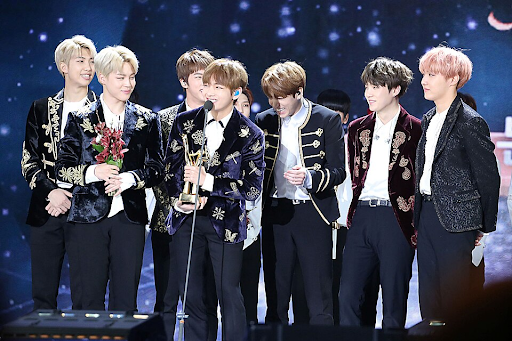
Behind the glamorous comeback announcement lie labor realities of entertainment production. BTS members’ intense preparation schedules, support staff working long hours, production teams under deadline pressure, and broader industry work conditions often involving challenging hours, intense pressure, and sometimes inadequate compensation or recognition. These labor dimensions provide important context about human costs of entertainment production that audiences consume as finished product rarely seeing labor invested in creation.
The announcement itself required extensive labor beyond member participation. Social media teams coordinated communications across platforms and time zones. Translation teams worked rapidly to make content accessible globally. Community managers monitored responses and engagement. Design teams created visual materials. Each handwritten letter bore “2026.3.20” but delivering those letters required coordination, production, distribution logistics involving numerous workers whose labor remains invisible to audiences experiencing only the final touching moment.
RM’s confession about desperately waiting for reunion hints at artist labor and emotional work involved in extended hiatus management—maintaining individual careers, fulfilling promotional obligations, managing public communications—all requiring significant effort beyond public visibility. Artists are workers too, though celebrity status sometimes obscures labor realities of their profession. Jin’s solo work involved extensive labor—recording, filming, promotion, appearances—demonstrating that hiatus from group work didn’t mean resting period but rather different labor demands.
J-Hope’s consistent engagement required ongoing labor maintaining social media presence, creating content, participating in activities keeping him visible and connected with fans. Emotional labor of maintaining consistently positive public presence shouldn’t be underestimated—presenting an optimistic face regardless of personal challenges requires effort. Jungkook’s solo success resulted from intense work—training, recording, performing, promoting—demonstrating labor underlying seemingly effortless talent and success.
The New Year’s countdown required technical crew, producers, platform staff, and numerous other workers enabling the broadcast audiences experienced. Entertainment production involves extensive collective labor by workers who rarely receive recognition or credit visible to public. Album production will involve even more extensive labor—recording engineers, producers, musicians, mixing and mastering specialists, designers, manufacturers, distributors, marketers, and countless others whose combined work creates finished product. Beyond the album, anticipated tour will require massive labor from setup crews, sound and lighting technicians, security personnel, venue staff, transportation workers, and numerous other laborers whose work enables performances audiences experience, demonstrating entertainment industry’s dependence on extensive collective labor often inadequately recognized, compensated, or protected, raising ongoing questions about fair labor practices and working conditions throughout entertainment production ecosystems.