
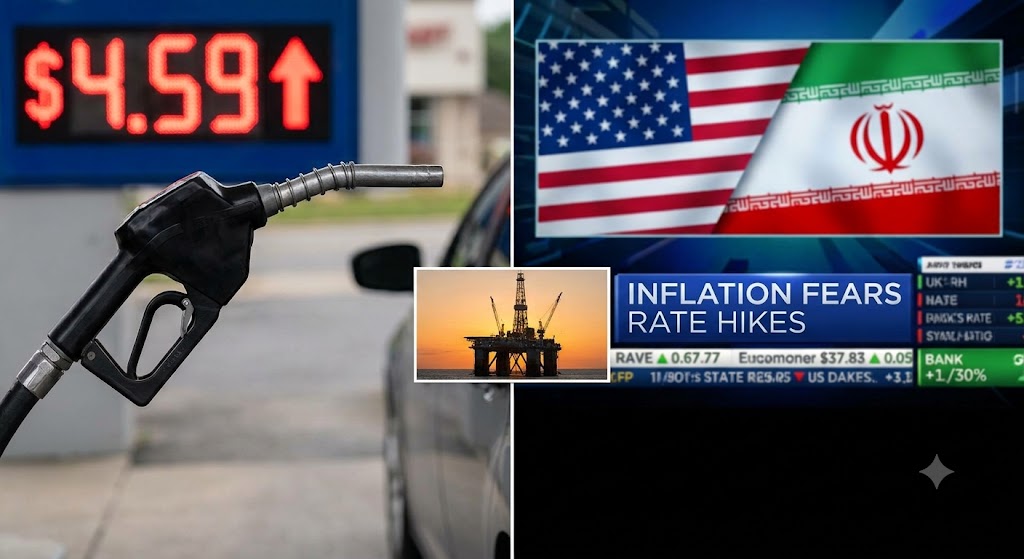
Oil and gas prices on the global market have experienced an uptick following renewed military tensions between the United States and Iran. This conflict has sparked concerns about the stability of energy supplies and its potential impact on inflation. Brent crude saw a significant increase, reaching its highest point in over a month, before retracting slightly as President Donald Trump opted to withdraw a controversial proposal that would have imposed a 20% fee on ships traversing the crucial Strait of Hormuz.
The escalation in energy prices has heightened anticipation that central banks, such as the Bank of England and the European Central Bank, could resort to raising interest rates later this year as a measure to manage inflation. In financial markets, bond yields experienced an upward trend, while European stock markets initially suffered a decline. However, these markets showed signs of recovery once fears regarding the proposed shipping levy began to subside.
Analysts are expressing caution, suggesting that the ongoing unrest in the Middle East may continue to inject volatility into energy markets. This instability could have far-reaching effects, potentially influencing global inflation rates and shaping monetary policy decisions in the upcoming months.
The initial reaction in the markets underscores the sensitivity of global economies to geopolitical events, particularly those involving significant oil-producing regions. The Strait of Hormuz remains a pivotal channel for the global oil supply, and any threat to its security can lead to immediate repercussions in energy pricing and market sentiment.
As the situation unfolds, stakeholders in the energy and financial sectors are closely monitoring developments. The interplay between geopolitical tensions and economic indicators will be crucial in determining the trajectory of both energy prices and broader economic policies as countries navigate these uncertain times.