
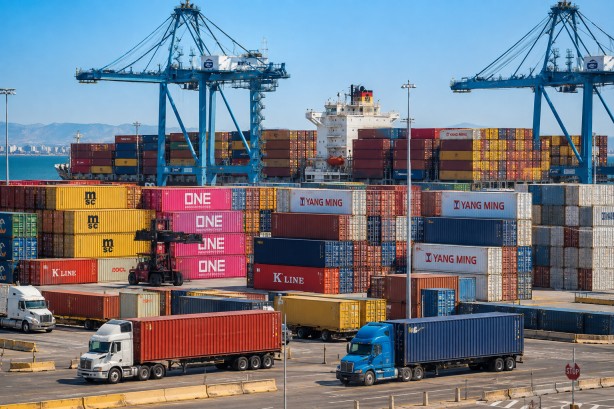
The U.S. government has returned approximately $100 billion in tariffs that were collected under the trade policies implemented by former President Donald Trump. This refund follows a Supreme Court decision that deemed a significant portion of these tariffs unlawful. The refunded amount represents around 60% of the $165 billion initially collected before the court’s ruling. These tariffs, primarily aimed at boosting domestic manufacturing, negotiating favorable trade deals, and increasing government revenue, were a cornerstone of Trump’s trade strategy.
After the court’s decision, the administration proceeded to reimburse the affected companies with the collected duties. Despite this large-scale refund, the U.S. federal budget deficit has continued to increase, reaching $1.37 trillion within the first nine months of the fiscal year. This ongoing deficit highlights the financial implications of the refunds and the broader economic challenges facing the government.
In a related development, the Trump administration recently introduced a new series of tariffs, ranging from 10% to 12.5%, on imports from over 80 countries. This list includes major trading partners such as India, China, the United Kingdom, Canada, Mexico, Australia, and the European Union. The administration cited concerns over products potentially linked to forced labor as the reason for these new tariffs.
However, these latest tariffs have sparked fresh legal battles. A coalition of 25 U.S. states is actively working to challenge and block these measures, arguing that they unlawfully replace the tariffs previously invalidated by the Supreme Court. The states contend that the new tariffs are an attempt to circumvent the court’s ruling, raising questions about their legality and potential economic impact.