
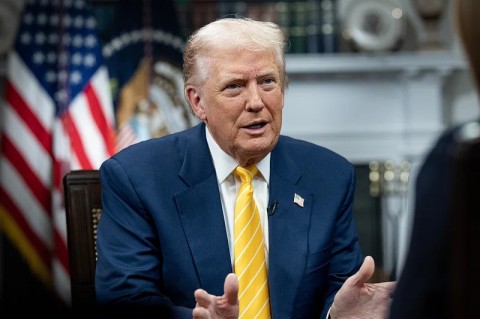
In a significant military development, former President Donald Trump announced the deployment of an additional 5,000 U.S. troops to Poland. This decision, influenced by his rapport with Polish President Karol Nawrocki, underscores the evolving dynamics of U.S.-Poland relations. Nawrocki expressed his approval of the move, emphasizing the American military presence as a vital assurance of Poland’s security and its strategic partnership with the United States.
This decision has sparked broader discussions about the implications of military deployments within NATO, particularly the potential shift towards decisions driven by personal political alliances rather than collective security imperatives. Critics are voicing concerns that such decisions could undermine confidence in NATO’s commitments and lead to uncertainty among allied nations about future U.S. defense policies.
The troop deployment occurs against a backdrop of escalating tensions involving Russia and ongoing security concerns in Eastern Europe. These developments highlight the delicate balance NATO must maintain between deterring aggression and preserving unity among its members. The decision has reignited debate within Europe about the need to bolster independent defense capabilities and reduce reliance on American military protection.
Questions are being raised about the long-term strategy for NATO and how such deployments might affect the alliance’s future role and military structure. As NATO grapples with these challenges, the emphasis on personal political relationships in shaping military commitments could lead to a reevaluation of how such decisions are made, potentially impacting the alliance’s cohesion and strategic objectives.
As the situation unfolds, the relationship between personal political support and military strategy will continue to be scrutinized, with implications not only for NATO but also for the broader landscape of international security and diplomatic relations.