
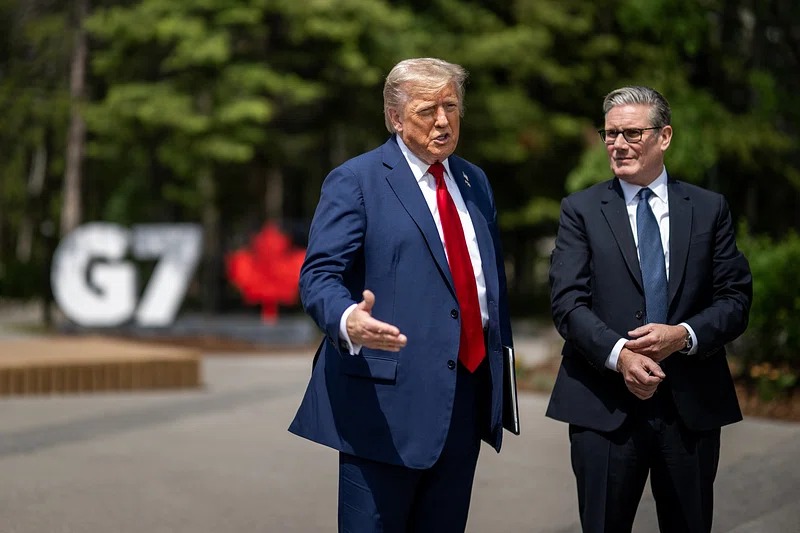
The Iran episode left Britain in an uncomfortable diplomatic position — its credibility with Washington dented, its reputation for reliability questioned, its relationship with its most important ally visibly strained. The question now facing the government is how to rebuild what has been damaged, and how quickly that rebuilding can plausibly be accomplished.
Rebuilding credibility with an ally is a different challenge from building it in the first place. The original special relationship was constructed through decades of shared sacrifice, mutual support, and consistent behaviour. Restoring it after a public episode of hesitation and reversal requires sustained demonstration, not just gesture.
The steps Britain has already taken — granting limited basing access, increasing the readiness of HMS Prince of Wales, signalling ongoing commitment — are a beginning. But the American president’s dismissal of the carrier offer and his warning that delays would be remembered suggest that more will be required.
The most effective form of credibility rebuilding, in practical terms, is behaviour — showing up in subsequent requests, cooperating promptly and without conditions, demonstrating that the Iran episode was an anomaly rather than a pattern. That kind of demonstration takes time and requires the government to navigate the same domestic political constraints that produced the original difficulty.
Whether the political environment in Britain will allow that kind of sustained demonstration — given the ongoing ambivalence within the Labour Party about military involvement — is the central uncertainty. The answer will determine whether the Iran episode becomes a footnote or a turning point in the history of the special relationship.