
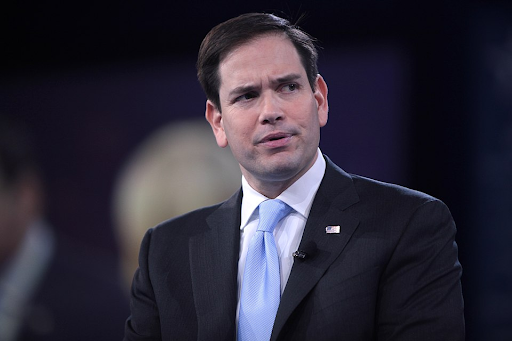
Marco Rubio suggested that Venezuela’s interim government viability fundamentally depends on continued American support during Senate testimony Wednesday. The frank assessment revealed the extent of Washington’s influence over Caracas following military intervention to remove Nicolas Maduro.
The Secretary of State explained that interim authorities led by acting president Delcy Rodriguez understand their governmental legitimacy and operational capacity rely on American economic assistance, diplomatic recognition, and security cooperation. He characterized this dependence as creating strong incentives for compliance with American demands.
Rubio outlined how Treasury-controlled oil revenue, preferential commercial arrangements, and potential embassy reopening provide benefits that interim government cannot access without American approval. He suggested this leverage ensures responsiveness to democratic reform requirements and strategic interests.
Democrats questioned whether such extensive dependence constitutes partnership or subordination. They challenged whether interim government can develop genuine sovereignty and democratic legitimacy while operating fundamentally as American client state regardless of nominal independence.
The hearing also addressed NATO alliance debates, Greenland diplomatic progress, Iran regime change complexity, and dismissal of concerns about encouraging authoritarian aggression. Rubio defended comprehensive framework as advancing American interests while theoretically supporting Venezuelan recovery.