
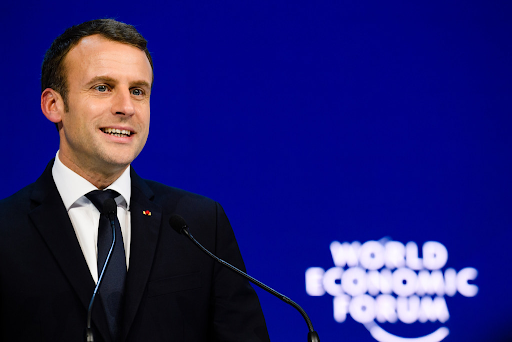
The exchange of letters between France and Cameroon is a tale of two presidents, each embodying a different era. President Emmanuel Macron represents a modern France attempting to make gestures of reconciliation, while President Paul Biya carries the historic baggage of the very system being scrutinized.
Macron, born after the colonial era, can approach this history with a degree of detachment, framing his acknowledgment as a duty to truth for a new generation. His gesture is forward-looking, aimed at reshaping France’s image and relationship with Africa.
Biya, in contrast, is a living link to that past. He rose to power under Ahmadou Ahidjo, the French-backed leader who presided over the post-independence repression. His presidency is a direct continuation of the political order that France helped establish through the violence it is now acknowledging.
This dynamic creates a complex and somewhat surreal situation. Macron is admitting to the sins of his predecessors, while Biya is receiving this admission as the head of a state whose foundations are inextricably linked to those very sins. It underscores that while France is reckoning with its history, Cameroon has its own difficult reckoning yet to undertake.