
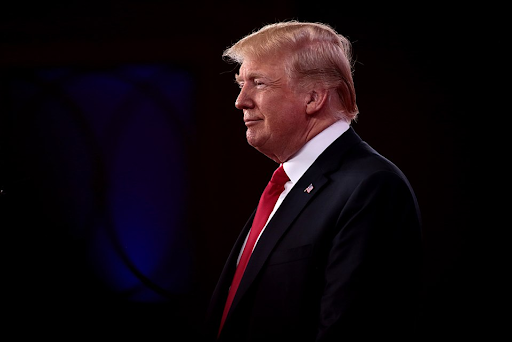
President Trump has admonished South Korea with a comprehensive and detailed plan to impose sweeping 25% tariffs on major exports across virtually all product categories, citing what he characterizes as complete, inexcusable, and fundamentally unacceptable parliamentary failure to implement a major trade agreement that both governments negotiated, finalized, and publicly announced with great fanfare several months ago. The president’s admonishment, delivered through his preferred and frequently used social media platform using characteristically blunt, direct, and undiplomatic language that makes no concessions to normal diplomatic protocols or the sensitivities of allied governments, places full, exclusive, and unequivocal blame and responsibility on the Korean National Assembly and its members for creating what Trump views as an intolerable situation where carefully negotiated commitments made at the highest levels of government during formal summit diplomacy remain completely unimplemented despite the passage of several months and repeated American requests, demands, and warnings. The comprehensive tariff plan that Trump has outlined and threatened would affect an extraordinarily broad range of Korean export products and industries, including automobiles and all related automotive components, parts, and accessories, pharmaceuticals and medical devices of all types, lumber and forestry products, electronics and advanced technology products, steel and aluminum products, textiles and apparel, and a vast array of other manufactured and semi-manufactured goods that collectively account for tens of billions of dollars in annual bilateral trade flows, support hundreds of thousands of Korean manufacturing jobs throughout the country, and represent critical pillars of Korea’s export-oriented economic development model.
The October 2024 trade framework that has now become the central focus and subject of this escalating diplomatic and economic crisis was originally negotiated and finalized through months of intensive, often difficult, and frequently contentious direct negotiations between Trump and South Korean President Lee Jae Myung, with both national leaders ultimately portraying and celebrating the final outcome as a historic diplomatic achievement and major economic breakthrough that would fundamentally strengthen and improve bilateral economic relations, create jobs in both countries through increased trade and investment flows, reduce longstanding trade imbalances that have created political tensions, and provide a successful model and template for how close allies can work through difficult trade disputes and reach mutually beneficial agreements through sustained good-faith negotiation rather than allowing disagreements to escalate into destructive trade wars. The comprehensive and detailed agreement included extensive provisions covering numerous aspects of the bilateral economic relationship, with the economically most significant and politically most sensitive elements involving substantial American tariff reductions on Korean automobiles and various categories of manufactured goods in exchange for equally substantial Korean commitments to invest tens of billions of dollars in American manufacturing facilities, research and development centers, infrastructure projects, and technology development partnerships that would create tens of thousands of American jobs, facilitate valuable technology transfer and knowledge sharing, and demonstrate Korea’s seriousness about addressing American concerns regarding trade imbalances and economic reciprocity.
The trade framework has stalled and remained unimplemented due to fundamental, seemingly intractable, and increasingly acrimonious disagreements, constitutional disputes, legal controversies, and political battles about whether the agreement requires formal legislative ratification by the Korean National Assembly under Korean constitutional law, established legal precedents, and democratic principles, or whether South Korea’s executive branch possesses sufficient inherent constitutional authority, legal power, and administrative discretion to implement the specific commitments and obligations contained in the agreement through administrative regulations, executive orders, ministerial directives, and other executive actions that would not require any parliamentary approval, involvement, or oversight. The Korean presidential office, supported by its team of legal advisors and constitutional experts, has consistently, firmly, and categorically maintained that the agreement was deliberately, carefully, intentionally, and specifically structured and drafted as a memorandum of understanding rather than as a formal binding treaty precisely, specifically, and exclusively to avoid triggering and navigating the lengthy, politically complex, highly uncertain, often contentious, and potentially unsuccessful ratification process that would be absolutely required under Korean constitutional law, established legal precedents, and democratic norms for international treaties that create formal binding legal obligations, long-term commitments, and enforceable rights and duties under international law.
However, this legal interpretation, constitutional analysis, and political strategy has been subjected to vigorous, persistent, comprehensive, and increasingly effective challenges and criticism from opposition political parties seeking to score political points and gain electoral advantage, respected academic constitutional law scholars raising what they characterize as legitimate and serious legal concerns about executive overreach and constitutional boundaries, prominent civil society organizations advocating for democratic accountability and transparency in government, labor unions concerned about potential negative impacts on Korean workers and industries, and various other stakeholders and advocacy groups who argue forcefully, persuasively, and with considerable public support that international commitments and agreements involving such enormous and far-reaching economic implications, substantial and long-term financial obligations and commitments, significant transfers of taxpayer resources to foreign nations, and potentially profound policy consequences affecting millions of Korean workers, businesses, and consumers should absolutely, unequivocally, and without exception require formal legislative approval, rigorous democratic oversight and scrutiny, full public accountability and transparency, meaningful opportunities for public input and participation in decision-making processes, and careful verification of alignment and consistency with fundamental constitutional principles, democratic values, and the proper respective roles, powers, and limitations of executive and legislative branches of government under Korea’s constitutional system of separated powers and checks and balances.
Korean government officials, diplomats, and political leaders expressed profound shock, complete surprise, considerable embarrassment, and genuine diplomatic consternation at receiving absolutely no advance warning, notice, consultation, or even informal heads-up before Trump’s very public admonishment and comprehensive tariff plan announcement, learning about this dramatic, potentially devastating, and fundamentally relationship-altering shift in American trade policy through social media posts, news media reports, and public announcements rather than through the confidential diplomatic communications, careful advance consultations, thorough coordination, and respectful notification processes that typically, customarily, and as a matter of basic diplomatic courtesy precede major policy changes, significant shifts in negotiating positions, or implementation of new economic measures affecting allied nations that maintain extensive, multifaceted, and critically important military alliances, deep and longstanding security partnerships, highly integrated and mutually dependent economic relationships, and complex networks of diplomatic, cultural, educational, and people-to-people ties that have been carefully developed, nurtured, strengthened, and expanded over more than seven decades since the end of the Korean War and the establishment of formal diplomatic relations.