
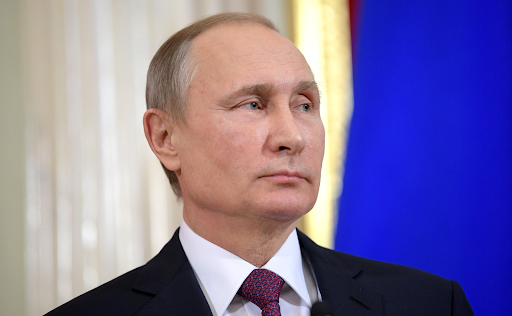
Russian President Vladimir Putin has signaled a conditional willingness to engage with a US-backed peace proposal championed by Donald Trump, yet he coupled this openness with a severe ultimatum. Speaking from Kyrgyzstan, Putin indicated that while the proposal could serve as a foundation for future agreements, the cessation of hostilities is contingent upon the full withdrawal of Ukrainian troops from territories they currently hold. He warned that failure to comply would result in Russia achieving its objectives through “armed means,” casting a long shadow over the prospect of immediate de-escalation.
The peace plan in question, which has seen input from US and Ukrainian officials in Geneva, has been acknowledged by the Kremlin as having taken some of Russia’s concerns into account. Putin confirmed that a “variant” of this plan was presented to Moscow and expressed readiness for discussions with the United States at any time. This diplomatic opening coincides with reports that Steve Witkoff, Trump’s special envoy, is scheduled to visit Moscow next week to further navigate the complexities of the conflict.
However, the path to a ceasefire is obstructed by Putin’s refusal to recognize the legitimacy of the current Ukrainian leadership. He argued that signing a deal with Kyiv is “legally impossible,” citing the expiration of President Volodymyr Zelensky’s elected term and the lack of subsequent elections. This rhetoric complicates the diplomatic landscape, as Putin insists not only on troop withdrawals but also on international recognition of Russian territorial gains in Ukraine.
The proposal itself has sparked significant controversy in the West, with critics from both major US political parties labeling earlier drafts a “Russian wish list.” The initial terms reportedly required Kyiv to cede the Donbas region, recognize Russian control over Crimea, and freeze the conflict lines in Kherson and Zaporizhzhia. Furthermore, it demanded a reduction in Ukraine’s military capabilities and a permanent ban on joining NATO, a core justification cited by Russian leadership for the invasion.
Despite the harsh terms, Ukrainian President Volodymyr Zelensky finds himself in a precarious position, describing the situation as an “impossible choice.” While acknowledging the immense strain of the war, Zelensky has hinted that compromises may be necessary. Following intervention by European allies, the proposal was reportedly trimmed from 28 to 19 points, leading Kyiv to indicate readiness to discuss the revised terms. Meanwhile, the reality of the war persists, evidenced by recent Russian drone attacks on residential areas in Zaporizhzhia.